
Back Pain / Slip Disc
- Home
- Treatments List
- Back Pain / Slip Disc
Back Pain / Slip Disc
Get expert evaluation and personalised treatment for back pain and slip disc problems at Baluni Hospital, with conservative care and surgical options when required.,
Back pain can begin after a long day at work, an awkward movement, heavy lifting or an old injury. Sometimes it settles with rest, but persistent or recurring pain may indicate an underlying spinal problem. At Baluni Hospital, Best Back Pain Treatment in Dehradun begins with understanding what is actually causing the pain. Muscle strain, poor posture, spinal degeneration, disc problems and nerve compression can all produce similar symptoms, so treatment should be based on proper evaluation rather than pain relief alone.
What Causes Back Pain?
Back pain can affect people of all ages. Spending long hours sitting, physically demanding work, incorrect lifting techniques, lack of exercise and previous injuries can contribute to symptoms. With increasing age, changes in the discs and joints of the spine may also cause stiffness and discomfort.
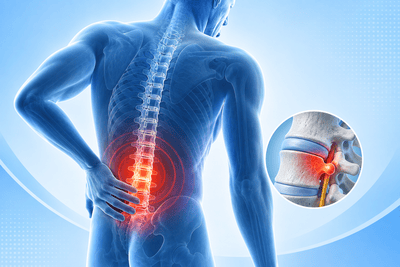
A slipped or herniated disc occurs when the soft inner portion of a spinal disc pushes through a weakened area of its outer layer. If the displaced disc irritates a nearby nerve, pain can travel from the lower back into the buttock or leg. This is commonly known as sciatica.
If you are looking for the Back Pain Doctor in Dehradun, a proper assessment can help determine whether your symptoms are related to a muscle problem, disc condition, nerve compression or another spinal issue.
Symptoms of Slip Disc
A slipped disc does not always cause symptoms. When it does, the symptoms can vary depending on the location of the affected disc and the nerve involved.
Common symptoms include:
- Persistent lower back or neck pain
- Pain spreading into the leg or arm
- Tingling or numbness
- Muscle weakness
- Difficulty sitting, standing or walking comfortably
- Pain that becomes worse with certain movements
Severe weakness, loss of bladder or bowel control, or numbness around the inner thighs and genital area requires urgent medical attention.
How Is Back Pain Diagnosed?
Diagnosis usually starts with a detailed medical history and physical examination. Your doctor may check spinal movement, muscle strength, reflexes and sensation. Imaging such as an X-ray or MRI may be recommended when symptoms persist, neurological signs are present or a structural problem is suspected.
An MRI can provide detailed information about the discs, spinal nerves and other soft tissues. However, not every person with back pain requires an MRI. The investigation should be based on the clinical situation.
Treatment for Back Pain and Slip Disc
Many cases of back pain and slipped disc can improve without surgery. Depending on the diagnosis, treatment may include prescribed medicines, physiotherapy, activity modification and exercises designed to improve flexibility and strengthen supporting muscles.
Patients should avoid prolonged bed rest unless specifically advised by their doctor. Gentle movement and a gradual return to normal activities are often part of recovery.
For people searching for Slip Disc Specialists in Dehradun, the important consideration is identifying the cause of the symptoms and selecting treatment accordingly. Surgery may be considered when symptoms do not improve with appropriate conservative treatment or when significant nerve compression causes progressive neurological problems.
When Is Slip Disc Surgery Needed?
Most slipped discs do not automatically require surgery. A specialist may consider an operation when persistent symptoms significantly affect daily life despite appropriate non-surgical treatment, or when there is significant nerve compression.
The decision depends on symptoms, neurological examination and imaging findings. Surgery should not be recommended solely because an MRI shows a disc bulge or herniation.
Choosing the Right Back Pain Care
If you are searching for the Best Back Pain Hospital in Dehradun, look for a healthcare team that evaluates your symptoms carefully and explains both surgical and non-surgical options. Back pain has different causes, and the same treatment does not work for everyone.
At Baluni Hospital, patients can receive evaluation and treatment for back pain, slipped disc and related musculoskeletal conditions. The orthopaedic team can guide patients regarding investigations, conservative management, physiotherapy and surgical options when clinically appropriate.
Why Choose Baluni Hospital?
Baluni Hospital provides orthopaedic care for patients experiencing back pain, disc-related problems and mobility difficulties. Treatment is planned according to the patient's symptoms, diagnosis and functional requirements.
If your back pain is interfering with work, sleep, walking or everyday activities, do not continue relying only on temporary pain relief. Early assessment can help identify the underlying problem and prevent unnecessary delays in treatment.
If you need professional evaluation, Contact Us at Baluni Hospital to arrange an orthopaedic consultation and discuss your symptoms with the appropriate specialist.
Frequently Asked Questions
1. Is every case of back pain caused by a slipped disc?
No. Back pain can result from muscle strain, poor posture, arthritis, spinal degeneration, injuries and several other conditions. A slipped disc is only one possible cause.
2. How do I know if I have a slipped disc?
Pain that travels from the back into the leg or arm, along with tingling, numbness or weakness, can occur when a disc affects a nerve. However, these symptoms can have other causes, so proper medical evaluation is important.
3. Does a slipped disc always require surgery?
No. Many patients improve with conservative treatment such as prescribed medication, physiotherapy, appropriate exercises and activity modification. Surgery is generally considered in selected cases.
4. How long does a slipped disc take to recover?
Recovery varies depending on the severity of the disc problem, nerve involvement and response to treatment. Some people improve over several weeks, while others may have persistent symptoms requiring further evaluation.
5. Can I exercise with back pain?
It depends on the cause and severity of the pain. Gentle movement may be appropriate in many cases, but strenuous exercise or heavy lifting should be avoided until you have been properly assessed.
6. When should back pain be treated as an emergency?
Seek urgent medical attention if back pain is accompanied by severe or progressive weakness, loss of bladder or bowel control, or numbness around the inner thighs and genital region.
7. Do I need an MRI for back pain?
Not necessarily. MRI is usually considered when symptoms persist, neurological problems are present or a structural condition requiring further evaluation is suspected. Your doctor can determine whether imaging is appropriate.
8. Can poor posture cause back pain?
Poor posture can contribute to muscle strain and discomfort, particularly when combined with prolonged sitting or inadequate physical activity. However, persistent pain should not automatically be attributed to posture without evaluation.
9. Can a slipped disc heal without surgery?
Yes. Many slipped discs improve without an operation. Treatment focuses on controlling symptoms, maintaining appropriate activity and allowing the irritated nerve and surrounding tissues to recover.
10. Where can I consult for back pain in Dehradun?
Patients with persistent back pain or suspected disc problems can consult the orthopaedic team at Baluni Hospital. The specialist can assess the symptoms and recommend appropriate investigations and treatment.
Register Online Before You Arrive.
Reserve your spot now and avoid waiting. We look forward to assisting you!
Book an Appointment