
Laparoscopic cholecystectomy Gallbladder stones
- Home
- Treatments List
- Laparoscopic cholecystectomy Gallbladder stones
Laparoscopic cholecystectomy Gallbladder stones
Laparoscopic Cholecystectomy is a minimally invasive surgical procedure used to remove the gallbladder, typically to treat symptomatic gallstones. Often referred to as "keyhole surgery," it involves several small incisions rather than one large opening. This modern technique allows for a significantly faster recovery, less postoperative pain, and a quicker return to daily activities compared to traditional open surgery.
Overview
The gallbladder is a small, pear-shaped organ located beneath the liver that stores bile. When gallstones—hardened deposits of digestive fluid—form, they can cause intense pain, inflammation, and infection. A laparoscopic cholecystectomy is the gold-standard treatment for resolving these issues permanently.
The Procedure
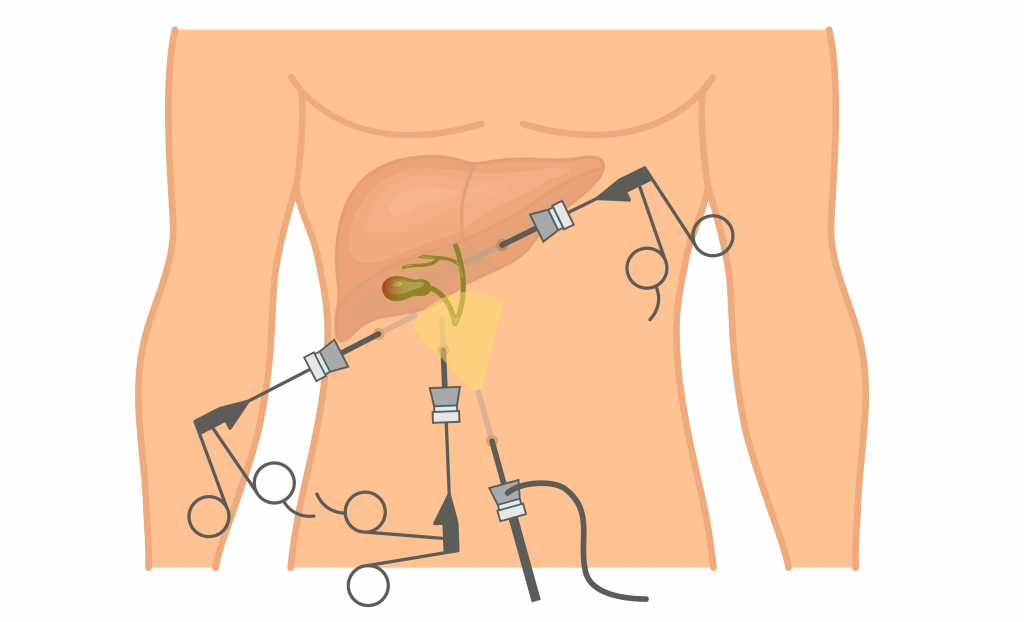
During the surgery, the patient is placed under general anesthesia. The surgeon performs the following steps:
-
Access: Four small incisions (ranging from 5mm to 10mm) are made in the abdomen.
-
Visualization: A laparoscope—a thin tube equipped with a high-definition camera and light—is inserted through one incision, allowing the surgical team to view the internal organs on a monitor.
-
Inflation: The abdomen is gently inflated with carbon dioxide gas to create a clear workspace for the surgeon.
-
Removal: Using specialized micro-instruments, the gallbladder is carefully detached from the liver and bile duct and then removed through one of the small incisions.
Why It Is Recommended
This procedure is primarily used to treat:
-
Cholelithiasis: The presence of gallstones in the gallbladder.
-
Cholecystitis: Inflammation of the gallbladder.
-
Biliary Colic: Recurrent episodes of intense abdominal pain caused by gallstones.
-
Gallbladder Polyps: Growths that may carry a risk of future complications.
Benefits of the Laparoscopic Approach
-
Minimal Scarring: The "keyhole" incisions result in very small, discrete scars.
-
Faster Recovery: Most patients are able to return home the same day or within 24 hours.
-
Reduced Pain: Because the abdominal muscles are not cut (as they are in open surgery), postoperative discomfort is significantly lower.
-
Lower Infection Risk: Smaller incisions reduce the surface area exposed to potential infection.
Recovery & Aftercare
Patients can typically resume light activities within a few days and return to full physical activity within one to two weeks. Since the liver continues to produce bile for digestion, removing the gallbladder does not impair the body’s ability to process food, though a temporary low-fat diet may be recommended during the initial healing phase.
Register Online Before You Arrive.
Reserve your spot now and avoid waiting. We look forward to assisting you!
Book an Appointment