
Joint Pain / Arthritis
- Home
- Treatments List
- Joint Pain / Arthritis
Joint Pain / Arthritis
Get personalised arthritis and joint pain care at Baluni Hospital, with expert evaluation, non-surgical treatment and joint replacement guidance based on your condition.,,,,
Joint pain can start as a mild stiffness in the morning and gradually begin affecting walking, climbing stairs, working or even sleeping comfortably. At Baluni Hospital, Best Arthritis Treatment in Dehradun focuses on finding the reason behind your joint pain rather than simply treating the symptom. Arthritis can have several causes, including age-related cartilage wear, autoimmune conditions, previous injuries and inflammation. A detailed evaluation helps the orthopaedic specialist understand what is causing the pain and choose treatment according to your condition, age, activity level and overall health.
What Causes Joint Pain and Arthritis?
Arthritis is not a single disease. Osteoarthritis commonly develops when the protective cartilage inside a joint gradually wears down. Rheumatoid arthritis, on the other hand, is an autoimmune condition in which the immune system mistakenly attacks the lining of the joints.
Joint pain may also be associated with previous injuries, overuse, obesity, certain metabolic conditions or other inflammatory disorders. Persistent pain, swelling, stiffness or reduced movement should therefore not be ignored.
If you are looking for the Best Doctor for Joint Pain in Dehradun, the first step is a proper diagnosis. Your doctor may assess your symptoms, joint movement and medical history and recommend investigations such as X-rays, blood tests or other imaging when necessary.
Common Symptoms You Should Not Ignore
Arthritis can affect different joints, including the knees, hips, shoulders, hands, wrists and ankles. Common symptoms include:
- Pain during movement or after prolonged activity
- Morning stiffness
- Joint swelling or tenderness
- Difficulty walking or climbing stairs
- Reduced range of motion
- A grinding or clicking sensation in some joints
- Pain that gradually becomes more frequent
When symptoms continue for several weeks or start interfering with everyday activities, an orthopaedic consultation can help identify the underlying problem.
How Is Arthritis Treated?
Treatment depends on the type and severity of arthritis. Mild or moderate symptoms may initially be managed with activity modification, weight management, physiotherapy, exercises and medicines prescribed according to individual requirements.
The aim is to control pain, preserve joint movement and maintain independence for as long as possible. Patients should not regularly take painkillers without medical guidance, particularly when pain has become a long-term problem.
For patients requiring Rheumatoid Arthritis Treatment in Dehradun, management may involve coordination between orthopaedic and rheumatology specialists because rheumatoid arthritis requires control of the underlying inflammatory disease, not just temporary pain relief.
When Is Joint Replacement Considered?
Joint replacement is not the first treatment for every arthritis patient. It may be considered when severe joint damage causes persistent pain and significantly limits daily activities despite appropriate non-surgical treatment.
For example, advanced knee or hip arthritis can make walking, standing or climbing stairs increasingly difficult. If imaging shows substantial joint damage and symptoms are affecting quality of life, the orthopaedic specialist may discuss surgical options.
The decision should be based on symptoms, examination findings, imaging and the patient's overall health rather than age alone.
Choosing the Right Joint Pain Care
If you are searching for a Joint Pain Specialist in Uttarakhand, look for a specialist who evaluates the cause of pain before recommending treatment. A personalised approach is important because two people with similar symptoms may have completely different underlying conditions.
At Baluni Hospital, patients can receive orthopaedic assessment, diagnostic evaluation, conservative treatment and surgical consultation when required. The Orthopedics and Joint Replacement Surgery team can help patients understand their available treatment options and expected recovery.
Why Choose Baluni Hospital?
Baluni Hospital provides orthopaedic care for patients experiencing joint pain, arthritis and mobility-related problems. The treatment approach is based on the patient's symptoms, diagnosis and functional needs.
For people looking for the Best Joint Pain Clinic in Dehradun, the priority should be accurate diagnosis, appropriate treatment and consistent follow-up rather than relying only on temporary pain relief. Whether your symptoms are recent or have been troubling you for years, an early consultation can help prevent unnecessary limitations in daily life.
If joint pain is affecting your routine, speak with an orthopaedic specialist rather than continuing to manage it on your own. Contact Us at Baluni Hospital to discuss your symptoms and arrange an appropriate consultation.
Frequently Asked Questions
1. When should I see a doctor for joint pain?
See a doctor if joint pain continues for several weeks, keeps returning, causes swelling or stiffness, or begins affecting walking, work or sleep. Sudden severe pain after an injury should be assessed promptly.
2. Is arthritis only caused by ageing?
No. While osteoarthritis becomes more common with age, arthritis can also result from autoimmune diseases, previous injuries and inflammatory conditions. Rheumatoid arthritis, for example, can affect people at different ages.
3. Can arthritis be treated without surgery?
Many patients can manage arthritis without surgery, particularly in the earlier stages. Depending on the condition, treatment may include physiotherapy, exercise, weight management, activity modification and prescribed medicines.
4. How do I know if my knee pain is arthritis?
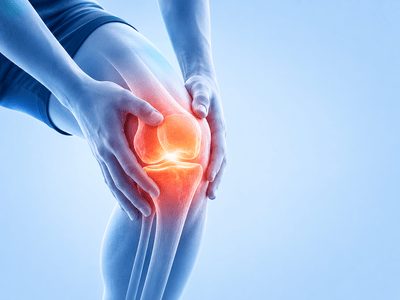
Knee arthritis commonly causes pain with activity, stiffness after periods of rest, swelling and gradually reduced movement. However, similar symptoms can occur with other knee conditions, so an examination and appropriate imaging may be needed.
5. Is joint replacement the only solution for severe arthritis?
Not necessarily. Treatment depends on the extent of joint damage and how much the symptoms affect daily life. When non-surgical treatment no longer provides adequate relief and joint damage is advanced, replacement may be discussed.
6. Can rheumatoid arthritis damage the joints permanently?
Yes. Persistent inflammation from uncontrolled rheumatoid arthritis can cause progressive joint damage. Early diagnosis and appropriate disease management are important for protecting joint function.
7. Does losing weight help with knee arthritis?
For people who are overweight, reducing excess weight can decrease the load placed on weight-bearing joints such as the knees. A doctor or physiotherapist can help develop a safe activity and weight-management plan.
8. What exercises are safe for arthritis?
The right exercises depend on the affected joint and severity of the condition. Low-impact activities and strengthening exercises are often useful, but patients with significant pain should seek professional guidance before starting a new exercise programme.
9. Can joint pain be completely cured?
It depends on the underlying cause. Some causes of joint pain can be effectively treated, while chronic conditions such as osteoarthritis are generally managed through long-term strategies aimed at controlling symptoms and maintaining function.
10. Where can I consult for persistent joint pain in Dehradun?
Patients can consult the orthopaedic team at Baluni Hospital for evaluation of persistent joint pain and arthritis. The appropriate treatment can then be planned according to the diagnosis and severity of the condition.
Register Online Before You Arrive.
Reserve your spot now and avoid waiting. We look forward to assisting you!
Book an Appointment