

Hysterectomy (Uterus Removal)
- Home
- Treatments List
- Hysterectomy (Uterus Removal)
Hysterectomy (Uterus Removal)
Get expert hysterectomy care at Baluni Hospital, including laparoscopic and other uterus removal procedures with personalised evaluation, surgical planning and recovery support.,
A hysterectomy is a big gynaecological surgery, during which the uterus is surgically taken away. It may be recommended when other treatments are not appropriate for large or symptomatic fibroids, some types of abnormal uterine bleeding, endometriosis, uterine prolapse or some cancers. Baluni hospital is Best uterus removal surgery Hospital in Dehradun starts with knowing the cause of the condition, symptoms and the medical history of the patient and whether the patient is a completed family or not.
What Is a Hysterectomy?
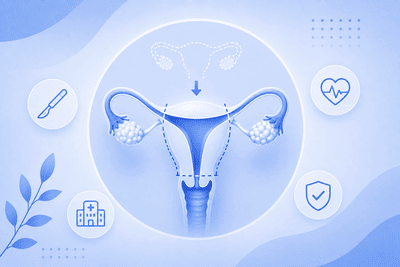
Hysterectomy is a surgical procedure which involves the removal of the uterus. Depending on the medical condition, the surgeon may also recommend removing the cervix, fallopian tubes or ovaries. These are decisions that are personalised, and should be discussed prior to surgery.
A hysterectomy stops periods and the possibility of pregnancy. But it doesn't necessarily mean that the removal of the ovaries is required. If clinically indicated, it might be possible to consider ovarian conservation, especially in younger women.
It is important for women who are looking for Hysterectomy (Uterus Removal Surgery) in Dehradun to speak with a knowledgeable gynaecologist about the surgery and the options they have prior to deciding to undergo it.
When is Hysterectomy Recommended?
But not all gynaecological issues require a hysterectomy. Other treatments may be tried first, depending on the diagnosis.
In certain individuals the removal of the uterus may be advised for:
- Fibroids that are large or cause symptoms.
- Abnormal or heavy periods that do not stop.
- Endometriosis or adenomyosis
- Uterine prolapse
- Certain precancerous conditions
- Cancer of the uterus or of other organs of the reproductive system
- Any symptoms that persist despite proper treatment or get worse over time.
The decision depends on the severity of symptoms, underlying diagnosis, previous treatments and the patient's reproductive plans.
Laparoscopic Hysterectomy
Laparoscopic hysterectomy is a procedure that is relatively simple and uses a camera and specially designed instruments to remove the uterus through small incisions in the abdomen.
When appropriate, minimally invasive surgery may have some advantages, including smaller incisions and reduced hospital recovery time for patients, compared to some open surgeries. But this type of surgery is not suitable for everyone. Specific factors like the size of the uterus, prior abdominal surgery, medical condition and indication for hysterectomy may affect the surgical method.
Therefore, before deciding on the type of surgery, patients should be subjected to proper evaluation of their condition before opting for Best Laparoscopic Uterus Removal Surgery in Dehradun.
Types of Hysterectomy
There are several types of hysterectomy based on the reproductive organs that must be taken out.
A hysterectomy is usually performed to remove the uterus and cervix. Subtotal or supracervical hysterectomy involves removing the body of the uterus, but leaving the cervix in place. There may be times when more tissue needs to be taken out during certain cancer procedures.
Depending on the patient's age, medical condition and risk factors, the removal of the ovaries may be required or not. Your gynaecologist should discuss the procedures you are going to have before surgery.
Recovery After Hysterectomy
Recovery will depend on the surgical technique, overall health and reason for the surgery. Following surgery, patients may be tired, and experience abdominal discomfort or temporary changes in activity.
Your doctor will provide instructions regarding wound care, medicines, physical activity, lifting restrictions and follow-up appointments. It's important not to return to high-intensity exercise too soon, as that can impede recovery.
Women should also talk to their health care team about any emotional or hormonal issues after hysterectomy, especially if the ovaries were removed before menopause.
Choosing Hysterectomy Care
When looking for Hysterectomy in Dehradun, you shouldn't take the choice solely based on the surgical technique. Take into account the experience of the gynaecology team, pre-operative assessment, anaesthesia support, hospital facilities, post-operative monitoring and follow-up care.
For women considering Laparoscopic Hysterectomy Surgery In Uttarakhand, a specialist can explain whether minimally invasive surgery is suitable and what recovery may look like in their individual case.
Why Choose Baluni Hospital?
Baluni Hospital offers gynaecological review and surgical treatment for women seeking treatment to deal with conditions that can affect the uterus. Treatment starts with diagnosis and takes into account the patient's symptoms, medical history and reproductive plans and overall health.
Consultation with a specialist will help clarify your options if your doctor recommends a hysterectomy or you are having persistent bleeding problems, bleeding, prolapse or other uterine issues.
Get to know the Best uterus removal surgery Hospital in Dehradun by Contacting Us with Baluni Hospital and discussing your condition with the gynaecology team.
Frequently Asked Questions
1. Does every woman with fibroids need a hysterectomy?
No. Many fibroids can be managed with observation, medicines or other procedures. Hysterectomy may be considered when symptoms are severe, other treatments have not worked or the condition makes removal of the uterus appropriate.
2. Can I get pregnant after a hysterectomy?
No. Since the uterus is removed during a hysterectomy, pregnancy is no longer possible after the procedure.
3. Does hysterectomy always include removal of the ovaries?
No. The ovaries do not automatically need to be removed. The decision depends on the patient's age, medical condition and risk factors.
4. Is laparoscopic hysterectomy suitable for everyone?
No. Laparoscopic surgery is not appropriate in every case. The size of the uterus, previous surgeries, underlying condition and overall health can affect the choice of surgical approach.
5. Will I stop having periods after hysterectomy?
Yes. Once the uterus is removed, menstrual bleeding stops permanently.
6. How long does recovery after hysterectomy take?
Recovery varies depending on the type of surgery and individual health. Your surgeon will provide specific guidance about returning to work, exercise and other activities.
7. Is hysterectomy a major surgery?
Yes. Hysterectomy is a major surgical procedure, although minimally invasive techniques may be used in suitable patients. Your doctor will explain the expected benefits and potential risks.
8. Can hysterectomy treat heavy menstrual bleeding?
It can provide a definitive treatment for bleeding caused by certain uterine conditions. However, whether hysterectomy is appropriate depends on the underlying cause and available alternatives.
9. What should I expect after laparoscopic hysterectomy?
Patients may experience temporary abdominal discomfort, tiredness and restrictions on certain activities. Recovery is individual, and your surgeon will provide instructions about wound care, activity and follow-up.
10. Where can I consult for hysterectomy in Dehradun?
Women can consult the gynaecology team at Baluni Hospital for evaluation of conditions that may require hysterectomy. The specialist can explain whether surgery is appropriate and which approach may be suitable.
Register Online Before You Arrive.
Reserve your spot now and avoid waiting. We look forward to assisting you!
Book an Appointment